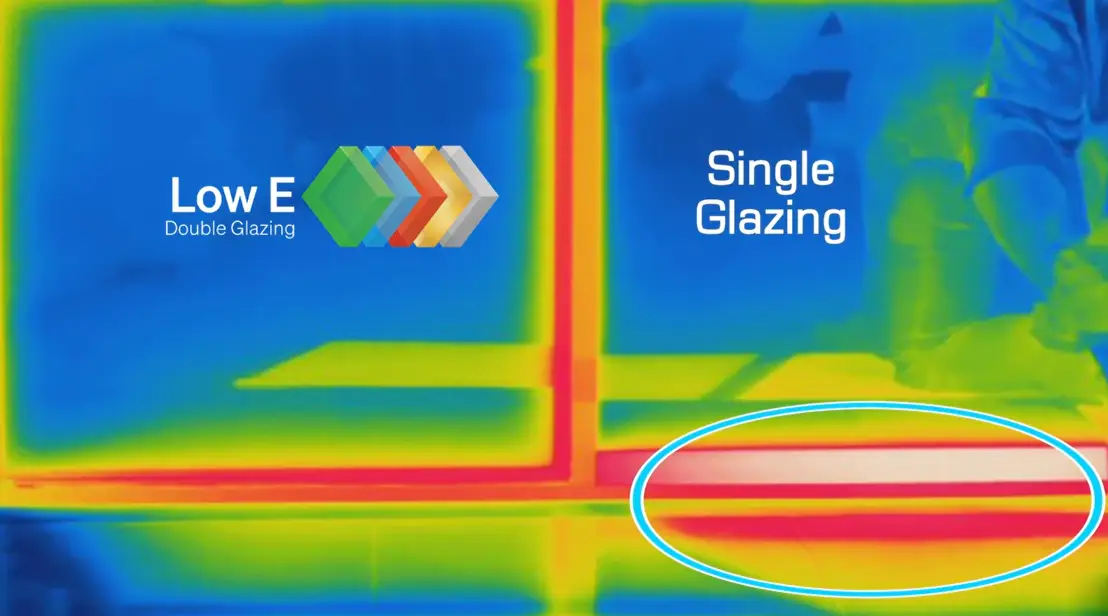

In Episode 4 of Smarter Glass, Better Living, I run a quick experiment that shows exactly why so many Kiwi homes feel cold, and why double glazing makes such a big difference.
If you’ve ever stood beside a window on a winter night and felt the chill pouring off the glass, that’s heat loss. And in older New Zealand homes, single glazing is one of the biggest culprits.
Why windows matter
In many pre-2007 homes, up to half of your heat loss can happen through the glass. That means:
- Rooms cool down faster
- Heaters work harder
- Power bills climb
- Condensation forms on cold mornings
The experiment
We used two heat lamps as the indoor heat source, one single-glazed pane, one Metro Xcel Low-E double-glazed pane, and radiometers to show how much heat gets through. When the lamps switch on, behind the single glazing the radiometer spins almost instantly. Behind the double glazing, it barely moves. The difference is immediate: single glazing lets heat escape, double glazing slows it right down.
Why this happens
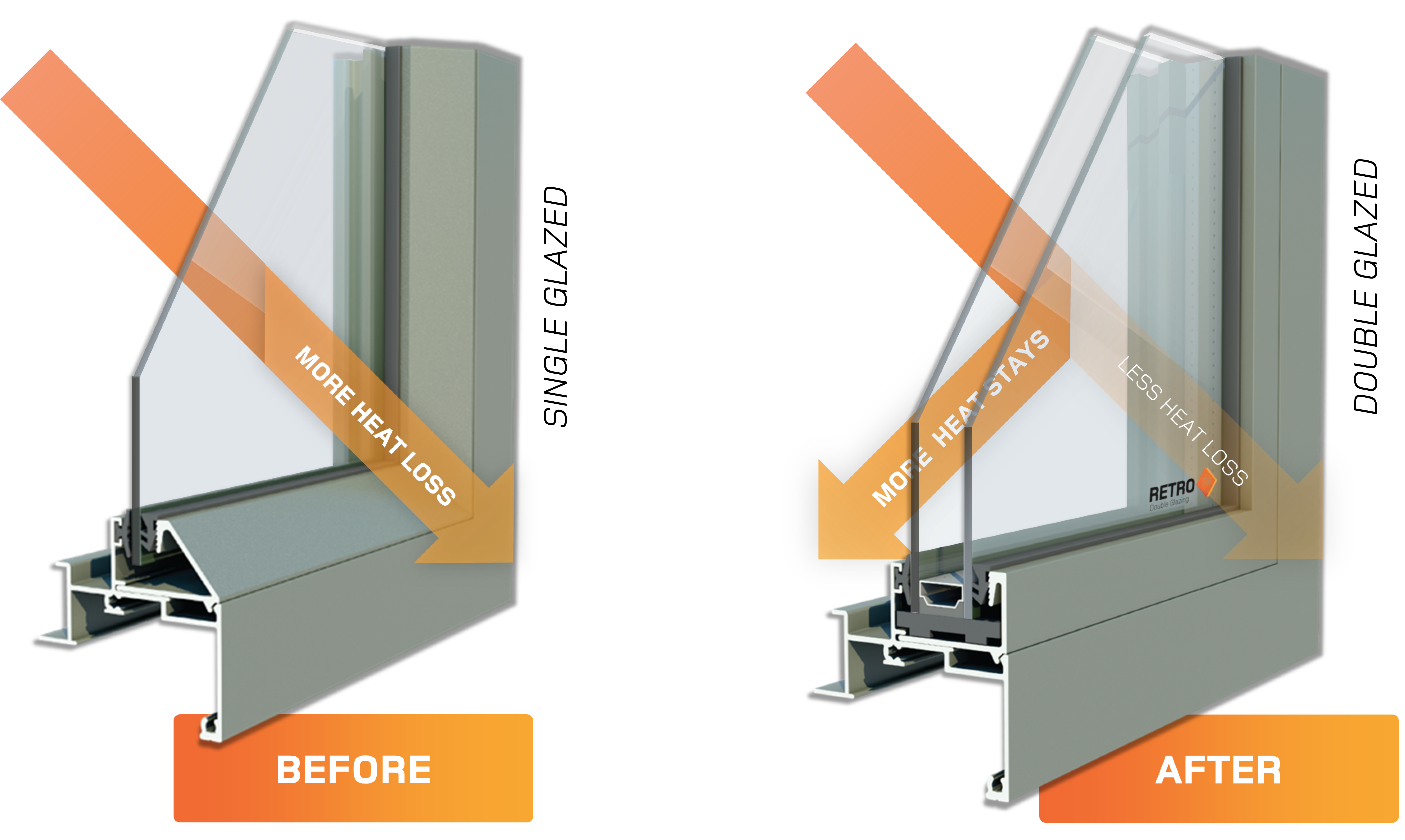
Heat moves through glass in three ways: conduction, convection, and radiation. Single glazing doesn’t do much to stop any of them. Double glazing adds an insulating gap, and Low-E coatings reflect heat back where you want it. The result is warmer rooms in winter, less overheating in summer, fewer cold drafts, less condensation, and lower energy use.
Why double glazing works
Double glazing adds two panes of glass, an insulating air or argon gap, a warm edge spacer, and optional Low-E coatings for even better performance. This combination keeps heat in, keeps cold out, and keeps your home more stable and comfortable year round.
Can you retrofit it?
Yes. Retrofit double glazing replaces the glass, not the frames. No cladding removed, no major renovation, just a smart upgrade for older aluminium or timber joinery.
See the experiment
Episode 4 shows it in real time. Watch it here, or learn more at retrodg.co.nz.