


Scientists have found that hedgehogs can hear ultrasound, raising hopes for repellents that could reduce road deaths. This one came up in a chat with the Bugman, Ruud Kleinpaste, on Newstalk ZB.
Researchers at the University of Oxford suggest that ultrasonic repellers could help lower the number of hedgehogs killed by cars. Their idea builds on new research published in Biology Letters, which shows for the first time that hedgehogs can detect high-frequency ultrasound.
The European hedgehog is a well-known and widely loved mammal, yet its numbers are falling sharply. In 2024, the International Union for Conservation of Nature classified the species as “near threatened.” Road accidents are a major factor, with estimates suggesting that up to one in three hedgehogs in some local populations die from vehicle collisions.
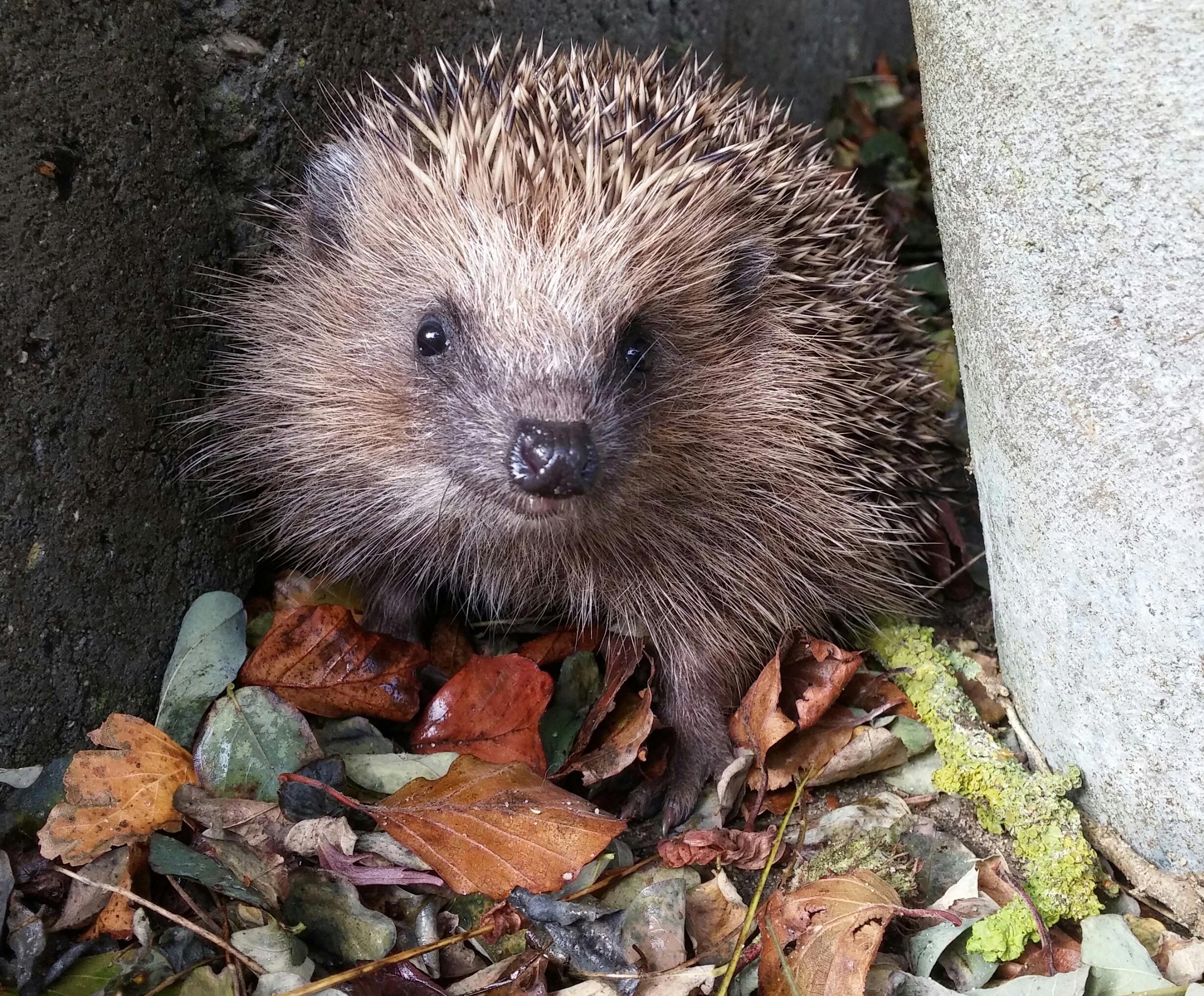
European hedgehog. Credit: Tine Reinholt Jensen
Lead researcher Assistant Professor Sophie Lund Rasmussen said, “Having discovered that hedgehogs can hear in ultrasound, the next stage will be to find collaborators within the car industry to fund and design sound repellents for cars. If our future research shows that it proves possible to design an effective device to keep hedgehogs away from cars, this could have a significant impact in reducing the threat of road traffic to the declining European hedgehog.”
Scientific testing of hedgehog hearing
To investigate hearing ability, Oxford researchers worked with colleagues in Denmark to measure the auditory brainstem responses of 20 rehabilitated hedgehogs from Danish wildlife rescue centres. The technique involved placing small electrodes on the animals to track electrical signals travelling between the inner ear and the brain while short sound pulses were played through a small speaker.
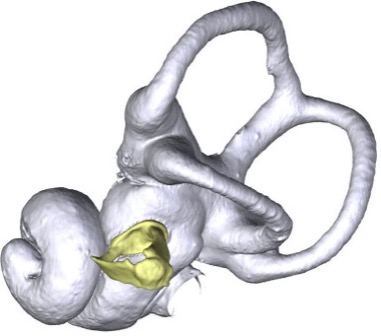
Hedgehog model showing ear bones. Credit: Rasmussen et al. 2026
Results showed that the brainstem responded to sounds between 4 and 85 kHz, with the strongest sensitivity around 40 kHz. This confirms that hedgehogs can detect ultrasound, which begins above 20 kHz. After veterinary checks, all hedgehogs were released back into the wild the following night.
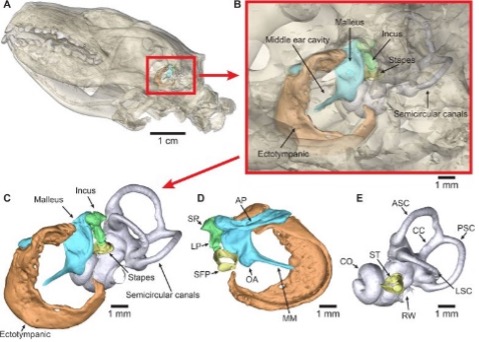
European hedgehog ear anatomy. Credit: Rasmussen et al. 2026
Ear anatomy and ultrasonic adaptations
These findings suggest it may be possible to develop ultrasonic repellents that hedgehogs can hear but humans and pets cannot. If effective, such devices could help keep hedgehogs away from roads and other hazards, including robotic lawnmowers and garden strimmers.

Dr. Sophie Lund Rasmussen (aka Dr. Hedgehog) with a European hedgehog. Credit: Joan Ostenfeldt.
In short: these animals are common in the UK and the Netherlands, where they need protection from vehicles. In Europe they have designed a way to fit an ultrasound device to vehicles at 86 kHz, which is well beyond the human range of around 20 kHz. It repels the hedgehogs, so they move away rather than curling into a ball, where they could be hit.
Catch the segment
Hear more from Ruud Kleinpaste on Sunday Mornings with The Resident Builder, 6am to 9am on Newstalk ZB.