
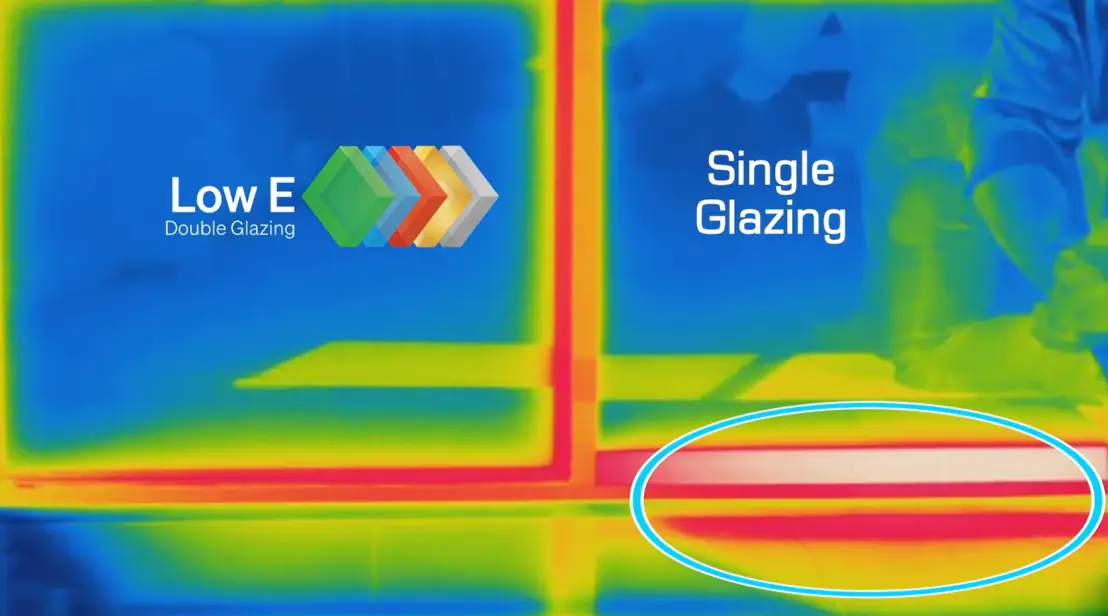
If your home is cold in winter, stuffy in summer, or you’re waking up to condensation dripping down your windows, you’re living in a very common New Zealand situation. A large chunk of our housing stock was built with single-glazing, and it shows. The good news is, retrofit double glazing is one of the most practical, cost-effective upgrades you can make.
Here’s what I’ve seen it do in real homes.
Why Single Glazing Is Such a Problem
Windows are one of the biggest weak points in a home’s thermal envelope. We’re talking 30–50% of total heat loss happening right through your glass, even if your ceiling and walls are insulated. Single glazing also causes condensation (those “crying windows” you might know well) and does nothing to slow summer heat gain.
What Retrofit Double Glazing Actually Does
Retrofit double glazing replaces your existing single-pane window with a sealed, insulated unit, without touching your frames. You get two panes of glass with a sealed air or argon gas layer between them. Most homeowners in New Zealand are now also opting for Low E coatings, which help slow heat transfer in both directions — less heat escaping in winter, less heat pouring in during summer.
It’s a straightforward upgrade with a real-world impact.
The Benefits — In Plain Terms
1. Warmer in Winter
Homes built before 2007 weren’t required to have double glazing, and it shows on cold mornings. With Metro’s Low-E glass, homes can retain up to 79% more heat than single-glazed windows. That’s a noticeable difference.
2. Cooler in Summer
North-, east-, and west-facing rooms can overheat quickly. The right solar-control Low-E glass can cut up to 74% of the sun’s heat coming through, without darkening your rooms. Glass choice matters here — orientation and climate zone are both factors worth considering.
3. Less Condensation
By keeping the inner pane warmer, double glazing reduces the conditions that promote moisture formation. Less morning wipe-down, less risk of mould, better protection for your timber frames and curtains. It works best alongside good ventilation, though cooking, showers and laundry still add moisture to the air.
4. Lower Power Bills
Less heat escaping means your heater or heat pump isn’t working as hard. More consistent temperatures year-round, lower running costs over time. For older homes, especially, it bridges a real gap.
5. Quieter Home
The insulated gap between the panes dampens outside noise, particularly effective when paired with acoustic laminated glass. If you’re on a busy street or just want more peace in the bedroom, it makes a genuine difference.
6. UV Protection
New Zealand’s UV levels are some of the highest in the world. The right glass combination — Low E plus laminate — can significantly reduce UV entering your home, protecting furniture, flooring, and interiors over time.

One Size Doesn’t Fit All
The real value comes from matching the right glass to the right room. A living area on the sunny side of the house might need solar control and Low-E. A bedroom might benefit more from high-insulation Low E. A street-facing room could do with acoustic glass. It’s worth thinking through each window individually; that’s exactly what we do in every in-home consultation.
Is It Worth It?
For most New Zealand homes, the answer is yes. You get a warmer, drier, quieter, more energy-efficient home, without replacing your frames, disturbing cladding, or doing a full renovation. It’s one of the better-value upgrades available.
If you’re ready to make your home more comfortable, Retrofit by Metro Glass can help, whether you have aluminium or timber frames, with tailored glass options for every NZ climate zone.
Want to know more, visit: retrodg.co.nz