
Kia ora folks! If you’re still living with single-glazed windows, chances are you’re dealing with cold mornings, ‘crying windows’, and a power bill that makes you wince. The good news? You don’t need to rip out your entire window system to fix it. Retrofit double glazing is one of the best bang-for-buck upgrades you can make to your home, and it works beautifully in both aluminium and timber joinery.
Why It Matters
Windows are one of the biggest culprits for heat loss in older Kiwi homes. According to MBIE, windows can account for 35–50% of heat loss in a single-glazed home with poor insulation. That’s a huge amount of warmth — and money — leaking straight out.
Retrofit double glazing fixes this by upgrading the glass inside your existing frames — no full window replacement needed. The results speak for themselves: warmer winters, cooler summers, less condensation, a quieter home, and lower power bills.
What Is Retrofit Double Glazing?
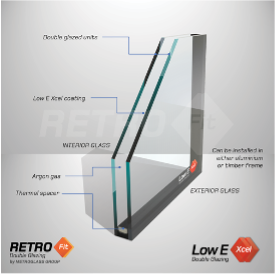
In plain English: it’s swapping your single pane for a Double Glazed Unit (DGU) — two panes sealed together with air or argon gas between them. Add a Low-E (low-emissivity) coating and warm-edge spacers, and you’ve got a seriously effective thermal barrier. Here’s what each component does:
- Low-E glass reflects heat back into your home in winter and reduces heat build-up in summer.
- Argon gas fill improves insulation between the two panes.
- Warm edge spacers reduce heat transfer at the edges of the unit — an often-overlooked detail that really matters.
Aluminium Joinery
Most Kiwi homes built from the 1970s onward have aluminium frames, and the great news is they’re very well suited to retrofit double glazing. The process is straightforward:
- Assess the frame condition, drainage/weep holes, maximum glass thickness, and wind zone.
- Remove the existing single glazing and hardware.
- Fit the new factory-sealed double-glazed unit using correct packers, seals, and glazing tape.
- Reassemble, seal, and check that everything operates smoothly.
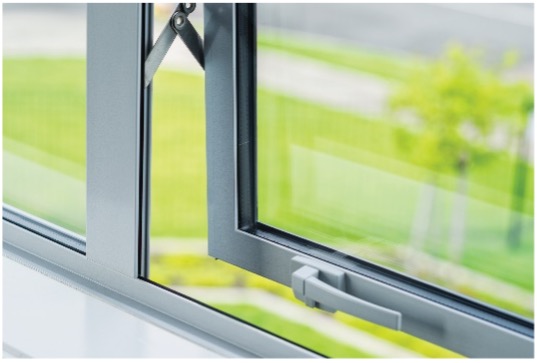
Good workmanship is everything here. The right packers, compatible sealants, and proper installation make all the difference to long-term performance.
Timber Joinery
Got a villa, bungalow, or character home? Brilliant, timber actually insulates better than standard aluminium, so retrofit double glazing performs exceptionally well in timber frames. The process is similar to aluminium, with additional steps to assess timber condition and moisture before the new units go in.
The best part? You preserve the character of your home while dramatically improving warmth, comfort, and energy efficiency. Win-win.
Do You Need a Building Consent?
In most cases, no. If you’re keeping existing frames in place and upgrading the glass like-for-like, building consent is generally not required. Requirements can vary depending on frame condition and project details, so if you’re ever unsure, just ask the team at Retrofit Double Glazing Metro Glass
Not All Double Glazing Is the Same
Here’s something a lot of people don’t realise: different rooms and different parts of the country need different glass specifications.
Room orientation matters:
- North, east, and west-facing living areas benefit from solar control Low-E glass that lets light in while reducing summer heat build-up.
- South-facing or cooler bedrooms do best with high-performance Low-E and argon gas to retain warmth and reduce condensation.
Climate matters too:
- Warmer northern regions (Northland, Auckland, Bay of Plenty): Prioritise solar control glazing.
- Moderate climates (Wellington, Nelson, Central North Island): A balanced Low-E double glazing works well.
- Colder southern regions (Canterbury, Otago, Southland): Maximum insulation — high-performance Low-E with argon and warm edge spacers.
Will It Fix Condensation?
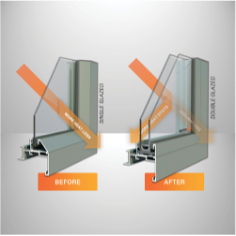
Retrofit double glazing, especially with Low-E glass, makes a big difference to those ‘crying windows’ by keeping the inner pane much warmer. Less condensation means less mould risk and a much more comfortable, healthier home.
That said, condensation is also driven by everyday moisture from cooking, showers, and drying laundry, so ventilation habits play a role too. We’ll dive deeper into this in an upcoming condensation blog.
The Bottom Line on Energy Savings
Upgrading to Metro’s Low-E double glazing can deliver:
- Up to 79%* better heat retention
- Up to 74%* reduction in summer solar heat gain through your windows
- Less reliance on heat pumps and heaters
- Better overall energy efficiency — and lower power bills over time
*Compared to 4mm single glazing
Ready to See It in Action?
Watch this episode of Smarter Glass, Better Living by the team at to see the retrofit double-glazing process first-hand, then get in touch with the team at Retrofit by Metro Glass about the right specification for your home. This is one of the upgrades I’d recommend to any homeowner looking to improve comfort and cut running costs.
— Peter Wolfkamp
Resident Builder